

What Is Title Insurance in Florida, and Do You Really Need It?

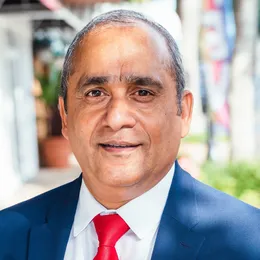
Roger Verghese
CEO & Founder, Warehouse Company Holdings
Roger is CEO, Founder & Licensed Title Agent of Title Warehouses of America Inc (est. 2006). With 50+ years of combined experience in Title Services, Real Estate, Lending, and Insurance, he understands every aspect of the home closing process from contract to keys. A 30+ year Central Florida resident, Roger helps Orlando families navigate title insurance and closing services with expertise and transparency.
Title insurance is one of the few closing costs most buyers have never heard of, and one of the most misunderstood. This guide explains what it covers, what it does not, what it actually costs in Florida and who pays for it.
What Title Insurance Is
When you buy a home, you are buying the legal right to own it. Title insurance protects that right against problems that started before you bought the property but were not found before closing, such as a forged signature in an earlier sale or a lien that was missed in the public records.
Two things make it different from other insurance:
- It looks backward. Homeowners insurance covers future events like storms and fires. Title insurance covers defects that already existed at closing.
- You pay once. The premium is paid at closing and the policy lasts as long as you own the home. There is no monthly or annual premium.
Owner's Policy vs Lender's Policy
| Owner's policy | Lender's policy | |
|---|---|---|
| Protects | You, the buyer | Your mortgage lender |
| Coverage amount | The purchase price | The loan amount |
| Required? | Optional, but strongly recommended | Required by almost every lender |
| Ends when | You and your heirs no longer own the home | The loan is paid off |
The lender's policy protects only the bank. If a covered title problem appears, the lender is made whole, but your down payment and equity are not protected unless you also have an owner's policy.
What Title Insurance Covers
Coverage depends on the policy form and its exceptions, but an owner's policy typically protects against covered losses from:
- Forgery and fraud in an earlier transfer, including a forged deed or a sale by someone who did not own the property
- Unknown heirs or a spouse who should have signed an earlier deed
- Liens and judgments recorded against the property that were missed before closing
- Errors in the public records, such as a deed indexed under the wrong name or a wrong legal description
- Defects in signatures or notarization on documents in the chain of title
- Lack of legal access to the property, where covered
If a covered claim is made against your ownership, the title insurer also pays to defend your title in court.
What Title Insurance Does Not Cover
- Problems you create after closing, such as building over a setback line
- Matters listed as exceptions in your policy, such as recorded easements and deed restrictions
- Problems you knew about and accepted before buying
- Zoning and building code issues, unless an endorsement covers them
- Physical problems with the home itself, which are what inspections are for
Before closing you receive a title commitment that lists every requirement and exception. Our guide to reading a title commitment explains how to review it.
What Title Insurance Costs in Florida
Florida promulgates title insurance premiums. The state sets the rates by rule (Rule 69O-186.003, Florida Administrative Code), so every title company in Florida charges the same premium for the same policy. Companies compete on their own fees and service, not on the premium.
Owner's Policy Rates
| Amount of coverage | Rate per $1,000 |
|---|---|
| Up to $100,000 | $5.75 |
| $100,000 to $1 million | $5.00 |
| $1 million to $5 million | $2.50 |
| $5 million to $10 million | $2.25 |
| Over $10 million | $2.00 |
Here is what that means at common Orlando prices, before endorsements:
| Purchase price | Owner's policy premium |
|---|---|
| $200,000 | $1,075 |
| $300,000 | $1,575 |
| $400,000 | $2,075 |
| $500,000 | $2,575 |
For example, a $400,000 policy costs $575 for the first $100,000 plus $1,500 for the next $300,000.
Lender's Policy on a Purchase
When the lender's policy is issued at the same time as the owner's policy, and the loan does not exceed the owner's coverage, Florida's simultaneous issue rate applies: $25, plus any endorsements the lender requires. On a purchase with a mortgage, that is usually all the buyer pays for the lender's policy itself.
Reissue Rate
If the seller bought the property, or was issued a policy on it, less than three years before your closing and a copy of that prior policy is available, a lower reissue rate may apply to the amount of coverage under the prior policy. Your title company applies it automatically when it qualifies.
Who Pays for Title Insurance
| Item | Orange, Seminole and Osceola counties | Miami-Dade and Broward counties |
|---|---|---|
| Owner's policy | Customarily the seller | Customarily the buyer |
| Lender's policy | Buyer | Buyer |
These are customs, not law. The purchase contract decides, and buyers and sellers can agree to split costs differently. Our Florida closing costs page shows a full $400,000 Orlando example with every title and tax item.
Do You Really Need an Owner's Policy?
For most buyers the answer is yes:
- If you finance, your lender requires a lender's policy, but that protects only the lender.
- If you pay cash, there is no lender checking the title at all. An owner's policy is your only protection against covered past problems. See our guide to buying a home with cash in Florida.
- If you buy new construction, the land still has a history: earlier owners, easements, and construction liens from subcontractors the builder may not have paid.
- In Central Florida, the seller customarily pays for the owner's policy, so the buyer usually receives this protection without paying the premium.
How Title Insurance Fits Into Your Closing
- Contract signed. The contract goes to the title company.
- Title search. The title company searches the public records for the chain of ownership, liens, judgments and recorded restrictions, and orders a municipal lien search for open permits and unpaid local charges.
- Title commitment. The insurer issues a commitment listing what must happen before closing and what the policy will not cover.
- Requirements cleared. Mortgages are paid off, liens released and missing documents obtained.
- Closing and recording. The deed and mortgage are recorded and the policies are issued.
Choosing a Title Company
Because the premium is the same everywhere in Florida, compare title companies on their own fees, experience, underwriter and closing options. Our guide on how to choose a title company in Orlando lists eight questions to ask.
Title Warehouses of America is an Orlando title company serving all of Florida since 2006, backed by Stewart Title, with a flat $299 closing fee per side on contracts of $100,000 or more. Learn more about our title services, get an instant estimate with our quote calculator, or call 888-354-8005.
This article is general information, not legal advice. Coverage depends on the policy form, exceptions and endorsements in your transaction.