


The FinCEN Real Estate Rule in Florida: Where It Stands Now

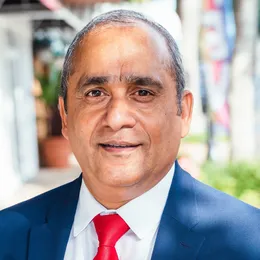
Roger Verghese
CEO & Founder, Warehouse Company Holdings
Roger is CEO, Founder & Licensed Title Agent of Title Warehouses of America Inc (est. 2006). With 50+ years of combined experience in Title Services, Real Estate, Lending, and Insurance, he understands every aspect of the home closing process from contract to keys. A 30+ year Central Florida resident, Roger helps Orlando families navigate title insurance and closing services with expertise and transparency.
Updated October 2026. In 2024, the Financial Crimes Enforcement Network (FinCEN) issued a rule requiring title and closing professionals to report many cash purchases of homes by LLCs, corporations and trusts. It took effect on March 1, 2026, and was struck down by a federal court 18 days later. This guide explains where the rule stands now and what it means for Florida buyers.
The Short Answer
- No FinCEN Real Estate Report is required right now. A federal court vacated the rule nationwide on March 19, 2026.
- The rule could return. The government has appealed, and another federal court upheld the rule in a separate case.
- No retroactive reporting. FinCEN has said that if the rule is reinstated, it will not require reports for transfers that took place while the court order was in force.
Timeline
| Date | What happened |
|---|---|
| August 2024 | FinCEN issues the Residential Real Estate Rule, effective December 1, 2025 |
| September 30, 2025 | FinCEN postpones the effective date to March 1, 2026 |
| February 19, 2026 | A federal court in the Middle District of Florida upholds the rule in Fidelity National Financial v. Bessent |
| February 28, 2026 | The most recent real estate geographic targeting orders expire |
| March 1, 2026 | The rule takes effect |
| March 19, 2026 | The Eastern District of Texas vacates the rule nationwide in Flowers Title Companies, LLC v. Bessent |
| April 2026 | The Fidelity National Financial plaintiffs appeal to the Eleventh Circuit |
| May 11, 2026 | The government appeals the Flowers Title decision to the Fifth Circuit |
As of October 2026, the Fifth Circuit appeal is still pending. Different appeals courts could reach different conclusions, so the question may ultimately go to the U.S. Supreme Court.
What This Means for Florida Buyers Today
If you are buying a Florida home through an LLC, corporation or trust without a mortgage, your title company does not file a FinCEN Real Estate Report while the vacatur stands. Your closing follows the normal steps.
The usual entity requirements still apply. To insure a purchase by an LLC or trust, the title company needs documents showing that the buyer exists and who can sign for it, such as:
- For an LLC: the articles of organization, proof that it is active with the Florida Division of Corporations, and the operating agreement or a resolution authorizing the purchase and the signer
- For a trust: a certification or the relevant pages of the trust showing the trustee's authority
Send these early. Missing entity paperwork is a far more common cause of delay than any federal reporting rule.
What the Rule Would Require if Reinstated
If an appeals court reverses the vacatur, the rule's requirements would come back on a date FinCEN announces. In summary, the rule:
Covers non-financed transfers of residential real property, meaning one-to-four family homes, condos, townhomes, co-op units and land intended for such homes, to an entity or a trust. A transfer is non-financed if it does not involve a loan from a lender that has its own anti-money laundering obligations. There is no minimum price.
Excludes transfers to individuals, as well as transfers such as:
- An easement
- A transfer resulting from death, divorce or bankruptcy
- A court-supervised transfer
- A transfer for no consideration by an individual to a trust they or their family control
- A transfer to a qualified intermediary in a 1031 exchange
It also excludes certain regulated buyers, such as public companies, banks and government bodies.
Requires the closing agent to report. The duty falls first on the settlement agent listed on the closing statement, with a cascade to other professionals if there is none. The report includes:
- The buying entity or trust
- Its beneficial owners: name, date of birth, address, citizenship and taxpayer ID
- The person signing for it
- The seller
- The property
- How the purchase was paid for
Sets a filing deadline of the last day of the month after the month of closing, or 30 days after closing, whichever is later.
Geographic Targeting Orders
Before the national rule, FinCEN used geographic targeting orders that required title companies in certain counties, including several in Florida, to report cash purchases by entities generally of $300,000 or more. The most recent orders ran through February 28, 2026, when the national rule was expected to replace them. Ask your title company whether any targeting order applies to your county when you go under contract.
What to Do if You Are Buying Through an LLC or Trust
- Tell your title company at the start that the buyer will be an entity or trust.
- Send the entity or trust documents early so authority to sign is confirmed well before closing.
- Make sure the entity is active with the Florida Division of Corporations, or registered to do business in Florida if it was formed in another state.
- Confirm wire instructions by phone before sending funds. Cash buyers are a favorite target of wire fraud. Read our guide to avoiding wire fraud at your Florida closing.
For more on cash purchases, see our guide to buying a home with cash in Florida. For investment purchases, see our commercial real estate closing guide.
How We Keep You Informed
Title Warehouses of America has handled closings from Orlando since 2006, backed by Stewart Title. We follow the appeals and will update this page if reporting requirements change. Learn about our closing services or call 888-354-8005.
This article is general information, not legal advice. The status of the FinCEN rule depends on pending appeals. Check with your title company or attorney before closing.